**Stubborn Travel articles occasionally contain affiliate links, which help to support the website at no extra cost to you.**
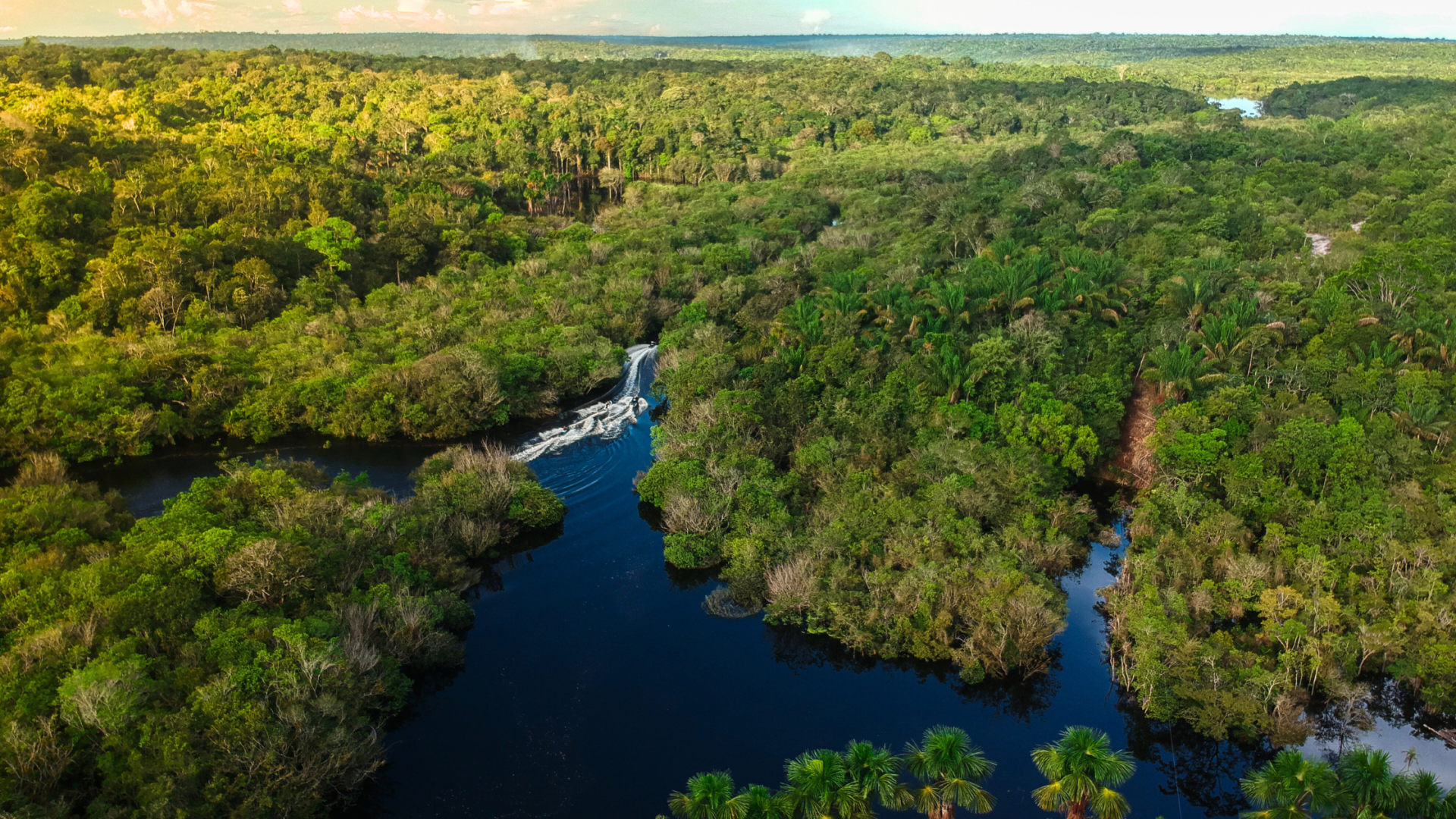
Are you heading into the Amazon in Ecuador through Cuyabeno? It turns out that the journey itself is a bit of an adventure. It may sound complicated and sometimes a tad mad, but fear not, valiant traveler. It’s actually a pretty well-organised, economic route which should have you from point A to B in around 12 hours – which ain’t bad for a trip into the Amazon. Best of all, the last leg offers a glimpse into the beauty and complexity of this incredible part of the world, and that’s before you even reach your lodge.
The information below summarises our journey from Quito to Cuyabeno in February, 2022. If you’ve done this journey since 2022 and something has changed, please let me know in the comments and I will add your experience to the blog!
For starters, there are a few different ways to get from Quito to Cuyabeno. This article details the most direct option by bus and boat. The Frequently Asked Questions at the bottom shares what I know about flying.
The journey will seem long, but it’s pretty straightforward. The lodge you stay at will give you clear pick up and drop off points, so you really just need to show up with enough cash for the journey.
Overall, you can expect three main legs: Quito to Lago Agrio (part 1), Lago Agrio to Cuyabeno Bridge (part 2) and Cuyabeno Bridge to your lodge (part 3).

Quito to Cuyabeno part 1: Quito to Lago Agrio bus
Most people going to Cuyabeno from Quito by bus will be on a similar service for the first part: a 7-8 hour overnight bus from Quito to Lago Agrio. This is colloquially called the Tourist Bus, and in 2022, cost around 20 USD. You can easily book it with most hostels and hotels in Quito, as well as Amazon tour providers (our lodge booked ours for us, although we paid the driver directly).
The bus leaves around 11pm from the Secret Garden Hostel in Quito Old Town. It literally stops right in front of their reception.
Perhaps the hostel has shaped up since 2022, but when we passed by, it was not great. There was a hostile dog at reception, staff was unfriendly, and I’d read about security issues – specifically of people ordering food to the hostel getting their phones mugged. That said, reviews now paint a pretty good picture, so maybe something has changed.
In general, factor in that Old Town in Quito at night is not a great area, so be on the lookout regardless. We stayed down the road from the hostel, paid for a late check out, and cautiously walked down to the hostel just before the 11pm pick up. You can also Uber in from another part of Quito for the bus, or stay at the Secret Garden Hostel itself. I believe they have their own travel agency, so may be able to answer questions about the rest of your travels as well.
The bus boarding happened on time, but we were on it for a good hour before it left. Apparently this is common. As is the case for many overnight buses in South America, dress warmly, as they can be freezing!

The ride is kind of surreal, not least because the area gets so foggy. My partner woke me up at one point to show the view, or lack of one – we couldn’t see more than 10 feet in front of the bus. It was like we were going through clouds, and sometimes the road would be on a ledge and we’d be quite close to it. I decided I was better off without the ‘views’, so went back to sleep.
There are no bathrooms on the bus, but it does make bathroom stops. At each one, our driver got out with a colleague and a baseball bat to guard the bus. Again, surreal.
There are other local buses which make the journey, which are much cheaper but make constant stops. These are not recommended, as they’re less safe, and don’t cost that much less than the tourist bus. On the other hand, the tourist bus only stops a couple of times and is not there for long.
There is a genuine interest in protecting tourists heading to the Amazon, and I’ve only heard that the tourist bus is super safe. We did not have any trouble on our journey, and I have not personally heard anything bad from anyone else who’s taken it.
Quito to Cuyabeno part 2: Lago Agrio stop and bus to Cuyabeno Bridge
You get to Lago Agrio (also known as Nueva Loja) around 7am. It’s an old oil town that has been the setting of a series of high-profile court cases between Ecuador and Texaco (now Chevron). A quick word on that below.
Chevron vs Ecuador
I have so much to say on this! But as this is a blog about transport, I’ve tried my very best to outline a summary on a complicated case that continues to be studied around the world. If you’d like a standalone article going into the huge amount of material available, let me know in the comments and I’ll write one up.
The Ecuador vs. Chevron scandal stems from Texaco’s (later acquired by Chevron) oil operations in the Ecuadorian Amazon from 1964 to 1992. During this time, billions of gallons of toxic wastewater were dumped into the Amazon, leading to serious health complications for indigenous communities living there – not to mention the animals that are also residents.
Representatives launched lawsuits leading to a historic Ecuadorian court judgment against Chevron for environmental damage. Chevron continues to aggressively contest the judgment (they allege they cleaned up their part and that the remaining pollution was caused by an Ecuadorian oil company). Over the decades, the case has grown to include charges of corruption, racketeering, fraud and bribery, resulting in international arbitration and expensive legal battles in both Ecuador and the United States.
It’s a mess and a disgrace, not least because the ones who pay the highest toll are, as history mercilessly repeats, members of resident indigenous communities, who died or suffered adverse health problems as a result. While in the background, giant oil corporations and governments spend obscene amounts launching smear campaigns and accusing each other.
There are a lot of articles and documentaries on Chevron vs. Ecuador you may want to look into – but pay attention to the source when you read. These offer a stark reminder of the immense threats the Amazon and its residents continue to face.
It’s also one reason why responsible tourism can be important. It offers an economic alternative to oil extraction while bringing eyes and attention to the area – which are both valuable when companies (or even governments) are trying to exploit it.
Where and when you go once you’re in Lago Agrio will depend on who you booked your Amazon tour with. Most tour operators and lodges include transport from Lago Agrio to their location within the Amazon.
The bus dropped us off at a hotel. There, we had breakfast in a nice outdoor lobby, where we had an hour or so before pick up for the next leg. This came in useful for changing out of the overnight bus clothes.
Bus or shuttle to Cuyabeno bridge
A smaller bus or shuttle will then take you from Lago Agrio to El Puente, or Cuyabeno Bridge. The journey is around 100 kilometres and takes a couple of hours.
Upon arrival, you’ll find the entrance of the Cuyabeno Wildlife Reserve. There is a little restaurant there where you can eat or use the bathroom. You’ll then board into canoes that will tackle the final stretch into the rainforest.

Quito to Cuyabeno part 3: boat ride to lodge
This last leg is the most interesting, with snapshots of what you can expect when you officially head in.
The boat ride lasts 2-3 hours and is genuinely amazing. Some parts are really slow, others are much faster. It’s the first glimpse you get into the lush surroundings, and you can start to look for wildlife camouflaged in the trees and water. The canoe drivers will stop if they see something, so it’s transport as well as a journey.
You will then be dropped off at your lodge, where you will spend however many days you’ve booked.


Tips for the journey from Quito to Cuyabeno:
The journey may sound a little convoluted, but it honestly wasn’t bad for us. Still, here are some tips to make it as positive as possible.
Bundle up.
South American buses are famous for blasting the aircon, and Quito is cold at night. Make sure you have enough clothes to keep you warm for the journey, or it will be really uncomfortable.
Get cash before the bus.
When you get on the first bus in Quito, ensure you have all the cash you need for your trip. Don’t try to get it in Lago Agrio (see below) or in the middle of the night from a random rest stop. Obviously, there are no ATMs in the Amazon. You’ll want enough ready for any extra activities, food/drinks and to tip your guide.
Don’t go wandering in Lago Agrio.
Lago Agrio/Nueva Loja is close to the Colombian border, which is not known for being a safe haven. Towns like Lago Agrio often come with big government warnings, although I’ve read it’s gotten much safer over the years. Still, if you come prepared, there is no reason for you to leave the hotel you’re dropped off at in Lago Agrio, because that’s exactly where the next bus will pick you from.
Accessorise.
Increase your chances of getting some Z’s on the bus with a sleep mask and ear plugs.
Prepare a change of clothes.
You’ll usually have a bit of time to kill in Lago Agrio – which is much hotter than Quito at night and the overnight bus. Keep a change of clothes easily accessible so you can swap what you’re wearing when you arrive if it’s hot. You’ll be a lot more comfortable for the next part of the journey.
Prepare to go offline.
Lago Agrio was the last time we would have cell reception for four days. If someone is used to hearing from you regularly, let them know not to worry if you go quiet. That said – I see the lodge we stayed at now technically offers WiFi. I don’t know how reliable it is. NB: the guides in the Amazon do carry satellite phones for emergencies.
Waterproof your bags.
The photo further up in this blog shows Cuyabeno Bridge. As you can see, the canoes that take you to the lodges are not big. Your main bags may not be on the same canoe as you, and even if they are, they’ll probably be in the back. The drivers will likely cover your bags with a plastic tarpaulin, but extra precautions can’t hurt, especially if you have valuables or electronics (take at your own peril). The Amazon is very humid, and once things get wet, they take a long time to dry.
Keep essentials on you.
The boat ride in the third leg is amazing if you’re prepared and uncomfortable if you’re not. Keep sunscreen, mosquito repellent, and whatever clothing you’d like on you. I always wear a cap, because it’s great for rain and sunshine. You should get plenty of both while you’re there! You may also want to have a camera or binoculars, but don’t worry if you don’t. You’ll have plenty of time to wildlife spot when you’re there, and you’ll repeat the same journey on your way back.
Embrace the ride!
If the journey feels uncomfortable, remember that it’s all part of the adventure. You’re about to head to a pretty incredible part of the world – a few buses are a small price to pay for the privilege.

Frequently asked questions:
Have any other questions? Drop them in the comments and if I’ll try my best to answer them below.
Does the tourist bus from Quito to Cuyabeno also make stops at the airport?
Not when we took it. It goes from 11pm, from the Secret Garden Hostel straight to Lago Agrio. The fact that is makes no stops is considered one of the big perks of the bus.
Do you have to take the tourist bus from Quito to Lago Agrio?
No, there are public buses that are a bit cheaper (but not by much!). However, these make more stops and are deemed to be less safe, especially at night. That said, I’ve read about people taking them without any issues (such as Kitti and Jon). Still, as they’re not considerably cheaper and make the trip considerably more difficult, I’d probably still advise the tourist bus.
Can you fly from Quito to Lago Agrio?
There used to be, but at the time of writing there are none. You can fly from Quito to Coca through Aeroregional – I believe flights are around 100 USD (give or take depending when you book). I have not done this journey myself, so can’t comment on what it’s like.
I have questions about the journey from Quito to Cuyabeno. Who should I contact?
The lodge you are considering (or booking) your Amazon trip through. They not only will have the most up-to-date information on the journey, but they’ll actually book it for you. If you have questions, don’t hesitate to reach out to them (I did, many times!). Remember, it’s in their interest to get you there as smoothly as possible, so they will be keen to help.
Curious as to what you can expect once you get to Cuyabeno?
Or, if the Amazon sound a little too adventurous for your boots, consider visiting Costa Rica’s Tortuguero instead.




Leave a Reply